Sakondo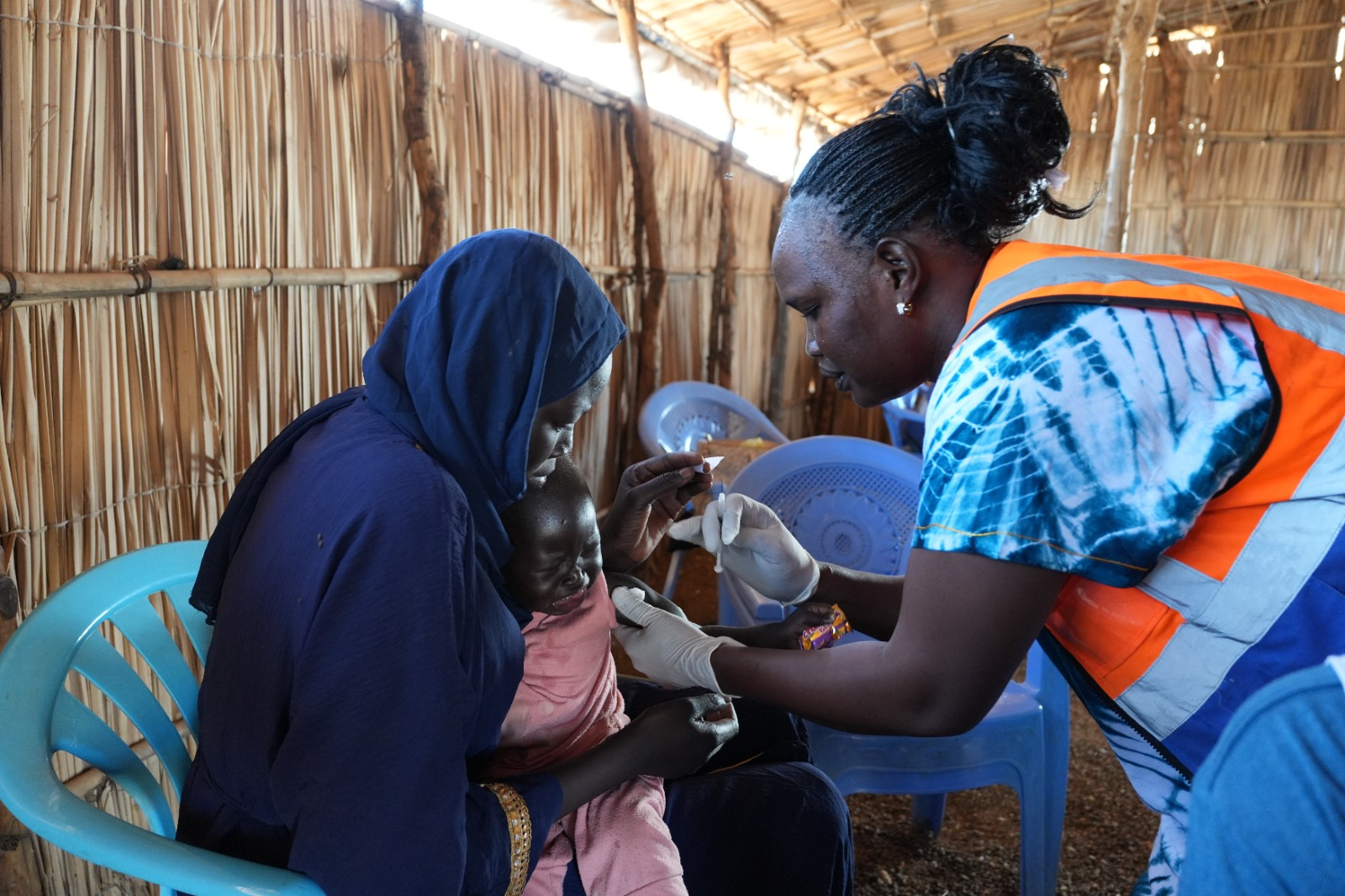
The humanitarian catastrophe in Sudan has spilt across borders, placing immense strain on South Sudan’s already fragile health sector. With millions of Sudanese refugees and South Sudanese returnees arriving in 2026, the health system, long under-resourced, is facing unprecedented demand.
Hospitals and clinics are overcrowded by the sheer volume of patients, many of whom arrive with urgent needs such as trauma care, maternal health, and treatment for malnutrition.
The demand for medicines, medical supplies, and trained personnel has reached a critical level. The influx has intensified existing gaps in infrastructure, equipment, and staffing.
Large-scale displacement and poor living conditions in refugee and IDP camps increase the risk of communicable diseases, while malnutrition among children heightens mortality rates.
Dozens of refugees and returnees carry deep psychological scars from conflict, adding pressure on mental health services that are already minimal in South Sudan.
Positive Contributions of South Sudan
Despite the above challenges, the South Sudanese government and its people have demonstrated remarkable solidarity with the people fleeing the Sudan conflict.
South Sudan government has coordinated with humanitarian partners to expand emergency health services, allocate land for refugee settlements, and facilitate cross-border aid delivery.
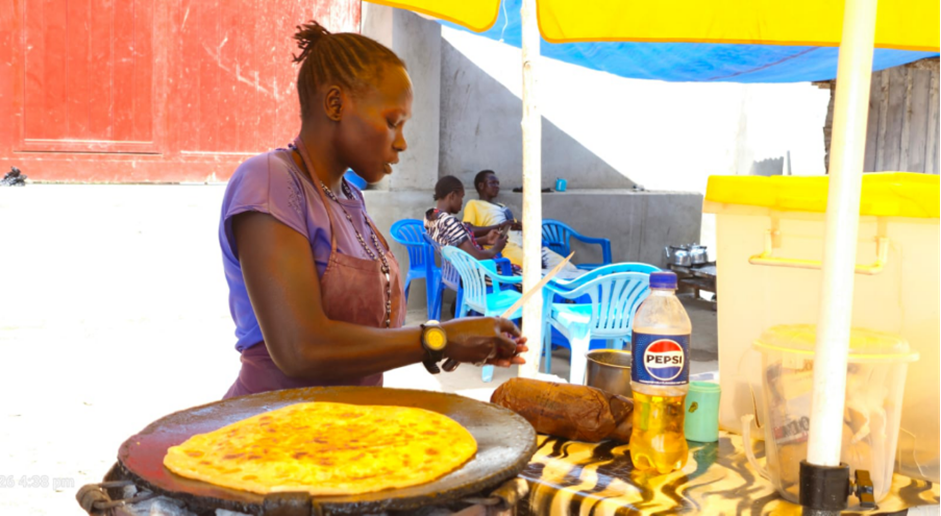
Local communities have welcomed Sudanese families, often sharing scarce resources such as food, water, and shelter. This grassroots hospitality has softened the impact of displacement.
South Sudan has enabled humanitarian organisations to scale up operations, ensuring refugees can access life-saving interventions in nutrition, protection, and healthcare.
South Sudanese, many of whom are returnees from past conflicts, willingly support Sudanese refugees, underscoring a shared history of struggle and resilience.

 Softnet Labs Limitted